
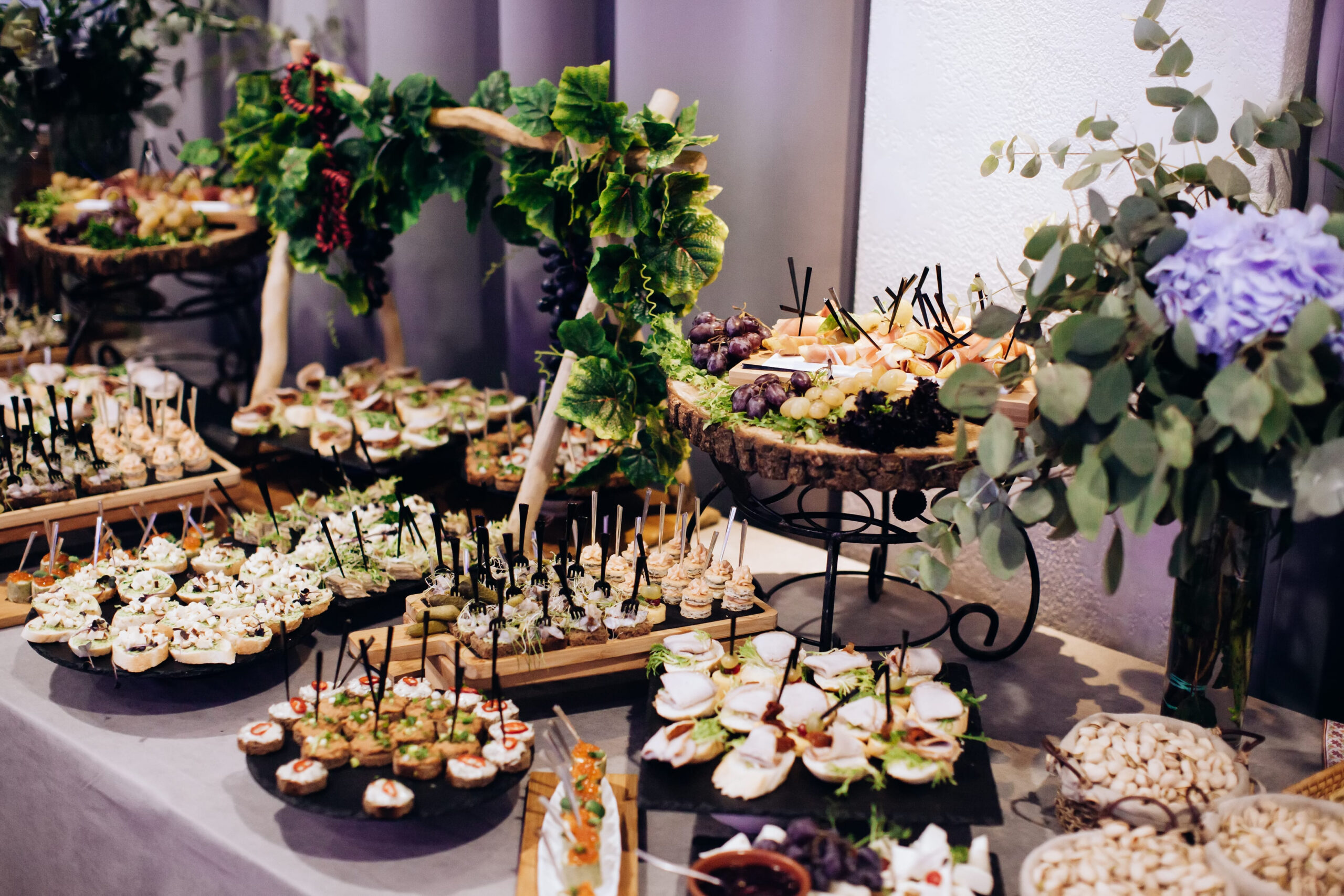
Food is what we live for. It is the nutritional need of every living being. No, it is not just a need. Food is love. Well, a way of expressing love, I mean. A wedding is a show of love, so food needs to display affection as well. The right mood can go up in the air the moment bad food touches your tongue.
Guests remember two things about weddings. Whether they had a good time and if they were fed well. The ceremony, the flowers, the music, no one remembers that. All of it fades into a warm collective memory. But cold food, long waits between courses, or running out of appetizers during cocktail hour? People will be bad-mouthing for years.
Wedding catering is an art, and proper menu planning for the right guest count is the key to a happily ever after wedding ceremony.
Here’s how to approach it.
Wedding Catering Services in NJ
Start With Your Guest Count
Guest count determines the food quantity. You will need the right number of staff members and seating arrangement. This is important to calculate the total catering budget. Caterers usually price services per person, so an accurate count is essential.
The best idea is to send invitations early and set a firm RSVP deadline. Most caterers recommend adding a buffer of two to five percent for last-minute guests. Don’t forget the vendors, such as photographers, DJs, and coordinators, in the meal count. They’ll be eating too.
How to Calculate the Right Amount of Food?
Plan about six pieces per guest for cocktail hour appetizers if dinner follows within 90 minutes. If the gap is longer, increase to eight pieces. Those appetizers will go out like smoke if they are not enough. For buffets, plan about 1.5 servings per guest because people often take more than one portion. For plated dinners, guests usually choose their entrée in advance, which helps reduce waste. Be sure to include vegetarian or vegan options and account for dietary restrictions.
Building a Menu That Fits the Event
The menu should match the style of the wedding. If you just want a casual celebration, buffet or station service will be the best option. Needless to say, formal receptions typically use plated dinners. Cocktail hour food should be light. Dinner should be filling but not overly heavy. If serving a dessert table along with the wedding cake, plan about 1.5 additional dessert pieces per guest. If you are going for seasonal ingredients, remember that they often improve both food quality and cost.
Setting a Catering Budget
Only catering and venue costs alone make up about 40 to 50 percent of a total wedding budget. When reviewing catering proposals, include the cost of food, drinks, service charges, staff tips, equipment rentals, and setup fees. Service charges often add 20 to 25 percent to the food and beverage total. Buffet service usually costs less than plated dinners because it requires fewer staff.
Choosing the Right Caterer
Do not just pick anyone randomly. Ask friends or family for recommendations. Get advice from couples with similar weddings. Attend a tasting to evaluate food quality. Ask important questions about staffing and scheduling. Do they have any contingency plans? This is a once in a lifetime event. Don’t pull any stops and ask anything you want.
You must choose a caterer who communicates clearly and can adapt the menu to dietary restrictions or cultural preferences.
The Meal Is Part of the Memory
Every part of a wedding reflects the couple, and the food says a lot. It shows the level of planning, attention to detail, and how welcome guests feel.
A well-planned menu that fits the guest count and is served by a skilled team makes the evening feel smooth and enjoyable. Guests spend their time eating and celebrating. Afterward, they keep remembering the event fondly. This result is totally achievable with the right planning and the right partner.
Plan Your Wedding Menu With DRJ Catering
DRJ Catering works with New Jersey couples to build menus that reflect their tastes and accommodate their guests in the best way possible. If you’re starting the catering search or ready to schedule a tasting, reach out to DRJ Catering and begin building the menu your wedding deserves.
FAQ
How far in advance should NJ couples book their wedding caterer?
Experienced caterers in New Jersey often book 12 to 18 months in advance, especially for weddings held in the popular season from late spring through early fall. If your wedding takes place on a Saturday between May and October, starting the caterer search about 18 months early provides the best range of options. Weddings held in the off-season or on weekdays usually offer more flexibility because fewer dates compete for the same vendors.
What is a reasonable catering budget per person for a New Jersey wedding?
Wedding catering costs in New Jersey vary depending on the service style, menu details, and the caterer’s experience. A basic buffet usually costs $75 to $125 per person. A full plated dinner with cocktail hour, multiple courses, and full bar service often costs $150 to $250 or more per person. These prices usually do not include rentals or venue fees, which add to the total cost.
How do you handle guests with food allergies or dietary restrictions?
Collect dietary restrictions on your RSVP cards. Send the full list to your caterer three to four weeks before the wedding. A professional caterer prepares clearly labeled meals for guests with common needs such as gluten intolerance, nut allergies, and vegetarian or vegan diets. Confirm how those meals will be identified and served during the event.
Is it better to do a buffet or a plated dinner?
Neither format is universally better. A plated dinner feels more formal and controlled, with less food waste because guests pre-select their entree. A buffet offers more guest choice and often a more relaxed atmosphere. It requires more food volume to account for self-service portions, but fewer staff members are needed. Your choice should match the feel of your wedding and your budget.